
 0
0

 0
0


The media landscape is evolving at a remarkable speed. Consumer behaviour is shifting, new technologies are reshaping the way messages are delivered, and privacy regulations are transforming how brands collect and use data. As we move through 2026, media planning has become more interesting. As AI emerged, there are more tools, more insights and more creative possibilities than ever before.
This article explores:
Media Planning Trends Reshaping 2026
Artificial intelligence tools help modern media planning. AI tools assist in analysing consumer behaviour, predicting outcomes, optimising budgets and testing creative variations before a campaign goes live. Effective media plans today utilise AI as a support system, allowing planners to evaluate the effectiveness of promotions.
We are also witnessing significant growth in retail media networks and connected TV. Retail media has become one of the fastest-growing channels due to its ability to combine rich purchase data with measurable outcomes. Meanwhile, the rise of streaming has made connected TV a central part of many media plans. These channels offer precision and accountability, making them highly valuable in both brand-building and performance campaigns.
At the same time, omnichannel planning has become the norm. Consumers move fluidly between digital platforms, traditional media and real-world touchpoints. As a result, brands now focus on delivering coherent, consistent messages across screens and channels. This approach requires unified measurement and tighter control over frequency and reach, ensuring a brand is visible without overwhelming its audience.
Ultimately, the creator economy is transforming the way brands approach content. Micro-influencers and niche creators offer authenticity and higher engagement rates compared to traditional celebrity endorsements. Many brands now incorporate creators directly into their paid media strategies, blending influencer marketing with strategic planning.
What "Effective Media Campaigns" Mean Today
Effectiveness in 2026 goes beyond generating impressions or driving clicks. Campaigns must deliver clear business outcomes, whether they involve raising brand awareness, improving perception, increasing conversions or strengthening loyalty. Modern campaigns rely on a blend of consumer insights, creative relevance and disciplined measurement. They must reach the right people at the right time with messages that matter and offer something meaningful in return.
An effective campaign today reflects how the audience behaves, what motivates them and how they consume media. It utilises data to refine its strategy, storytelling to capture attention, and evaluation tools to understand what truly drives performance.
A Problem-Solving Approach to Media Campaigns
Today's most successful media planners treat campaign development like a structured problem-solving exercise. Instead of jumping straight to tactics, they begin by identifying the core challenge. A campaign designed to fix low brand awareness will look very different from one aimed at improving conversion or changing negative perceptions. Understanding the root problem prevents wasted resources and misaligned creative messaging.
Insights from research, analytics and market trends help diagnose what lies behind the challenge. Once the problem is clearly understood, planners can develop strategic responses and test different scenarios. This problem-solving mindset ensures that every media decision, from channel selection to creative approach, directly supports the overall strategy.
Planning and Costing Campaigns in 2026
Budget planning has become more sophisticated, particularly with the rise of media costs and a more fragmented media landscape. AI forecasting and media mix modelling now help marketers understand where to invest for the most significant impact.
Brands are prioritising placements that offer high attention value rather than simply low impression costs. Digital campaigns often require investment in premium content environments or specialised targeting tools, while TV and CTV (Connected TV) budgeting must account for higher competition for premium inventory.
A realistic campaign budget in 2026 must include more than just media spend. Creative development, AI and analytics tools, measurement systems and a contingency allowance for real-time optimisation are now essential components. Brands that budget holistically are better prepared to adjust quickly and make data-driven decisions throughout the campaign lifecycle.
Channels, Delivery and Evaluation
Channel selection in 2026 depends heavily on audience behaviour. With consumers switching between mobile, streaming, social, audio and offline channels throughout the day, marketers must understand the context in which their audience receives messages.
Campaign delivery has become increasingly automated. Machine learning systems optimise bids, placements, and creative variations in real-time. While automation helps improve performance, it also requires vigilant oversight to ensure brand safety, maintain frequency balance and keep messaging relevant.
Evaluation, too, has grown more sophisticated. Brands are shifting toward measuring incrementality, attention, return on ad spending and cross-channel attribution. Real-time dashboards enable continuous performance monitoring, while post-campaign analyses help refine future strategies. Sustainability metrics, such as a campaign's carbon impact, are also gaining importance as organisations prioritise responsible marketing.
Delivering Media Effectively Within Your Organisation
Even the most well-crafted media plan can fall short without strong internal processes. In 2026, effective delivery requires closer collaboration between media, marketing, analytics, sales and product teams. Data must flow smoothly across departments, and all parties involved must share a unified understanding of the campaign objectives.
Upskilling has also become essential. Teams now need a working knowledge of data literacy, AI tools and unified measurement systems.
Lastly, efficient workflows matter more than ever. Faster approval processes, clear communication channels and collaborative platforms help ensure campaigns launch on time and adapt quickly when needed. Many organisations are adopting a test-and-learn culture, encouraging experimentation and using insights to improve campaign performance continually.
If you would like to learn more about Effective Planning of Media Campaigns, you can join the training course with London Training for Excellence.
Author: LondonTFE
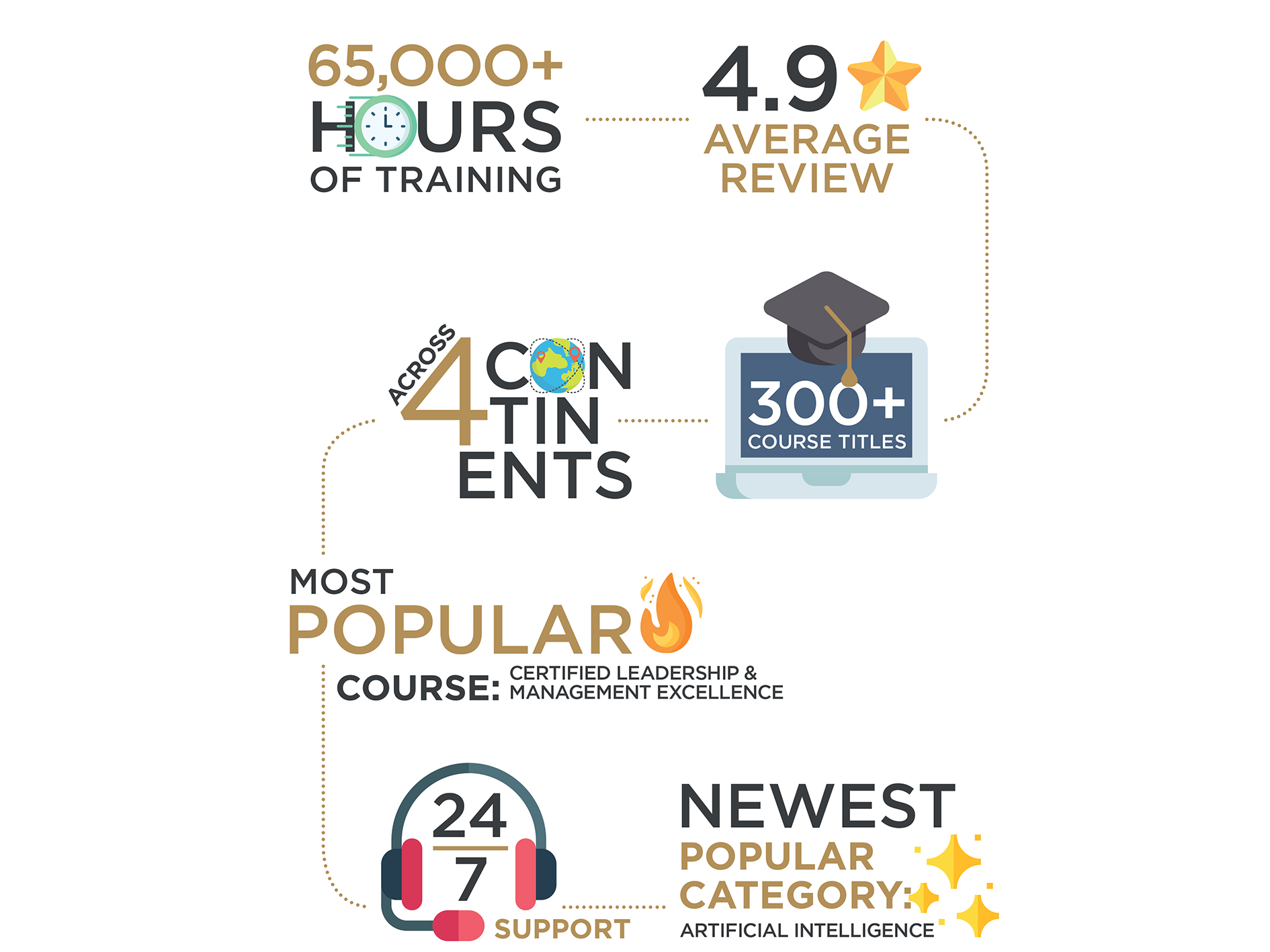
London Training for Excellence is a distinguished UK-based training company renowned for its global reach and exceptional educational offerings. With a team comprised of passionate and knowledgeable industry experts, we consistently deliver high-quality, award-winning courses and 'real-life’ lessons, guaranteeing that all our clients benefit from the utmost standards of excellence throughout their educational journey.






























Loading...







 Course category
 Course Venue